


Housing market outlook for late 2026
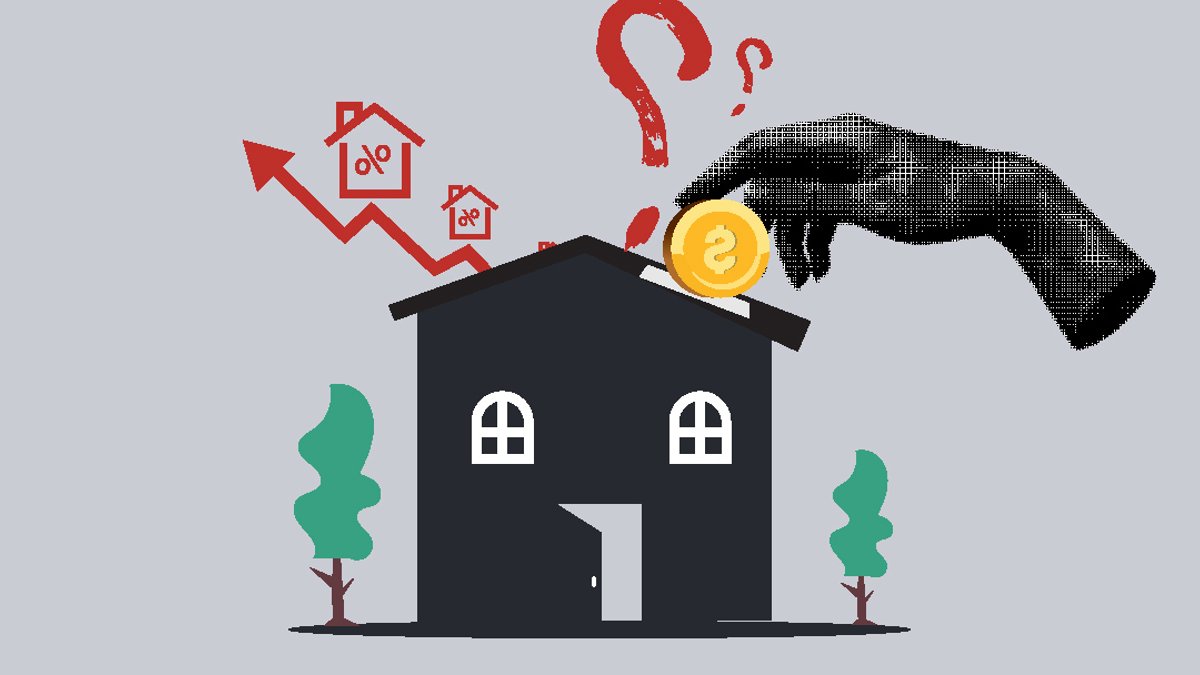
The housing market’s performance in the second half of 2026 will depend on mortgage rates, inventory levels, and demand—factors that have so far defied expectations this year. Despite rising borrowing costs, home sales have held steady, partly because rates haven’t breached 7%, a threshold that has historically slowed activity.
Pending home sales data, which typically leads closed sales by 30-60 days, will be a key indicator. The goal is positive year-over-year growth, even if rates stay raised. A forecast of 237,000 more existing home sales than 2025 assumes they remain under 6.25%. With year-over-year comparisons toughening in July, the margin for growth narrows.
Related: US industrial markets see split recovery trends
Mortgage purchase applications offer another forward-looking signal. Last week’s 3% weekly decline still left the metric higher than a year ago. In 2026, there have been 10 positive week-to-week prints, 11 negative, and 21 weeks of year-over-year growth. Only two weeks saw negative annual comparisons.
Price cuts decline as demand stays strong
About one-third of homes typically undergo price reductions before selling. This year, the percentage has been lower than in 2025, aligning with a forecast of a slight national price decline. If rates fall further, demand could surge, making negative year-over-year inventory growth likely.
Related: What you need to consider while choosing the architects
Rates above 7% might change the equation, but for now, demand remains robust. The focus is on whether mortgage rates can stay below 6.50%, a level that could shift comparisons to 2025, when they were falling by year-end.
Mortgage spreads keep rates in check
Spreads between the 10-year yield and mortgage rates have been a positive factor, currently at 2.0%. Without this buffer, today’s 6.58% rate would be significantly higher. Historically, spreads have ranged from 1.60% to 1.80%.
Related: Whom are the Must-Have Security Guards for Real Estate Companies?
The 10-year yield closed last week at 4.46%, near the forecast range of 3.80%-4.60%. With the Fed meeting concluded and the Iran conflict seemingly resolved, economic data will drive bond yields—and by extension, mortgage rates—in the weeks ahead.
This week brings Fed speeches and PCE inflation data, offering the first clear read on whether the 10-year yield can sustain its current level. The search for lower mortgage rates in 2026’s second half begins now.


